
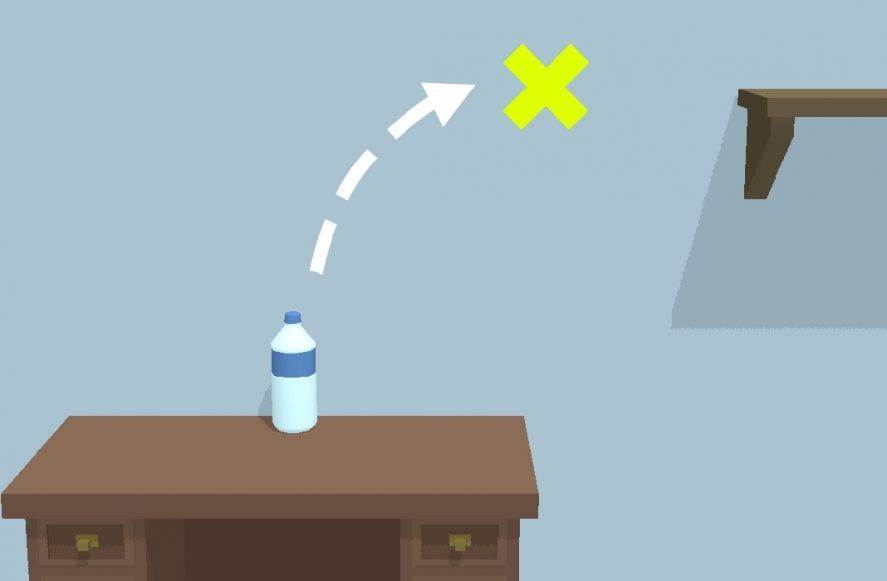
There isn’t one single number, because a “world record” depends on the exact category and rules, such as most bottle flips in one minute, fastest time for multiple flips, or longest consecutive bottle flip streak. Drawing from how major record authorities document performance under strict verification, and from our hands-on gameplay testing in Flip Bottle, the real shortcut is simple: define the event first, then train for repeatable, low-variance landings.
In the sections below, you will see the 6 brutal truths that separate lucky runs from record-level consistency, plus the practical patterns you can apply immediately to push your Flip Bottle streaks further.
A bottle flip world record is an officially recognized best performance in a clearly defined bottle-flipping challenge, documented under rules that define:
That is why the search term is misleading: it sounds singular, but in practice it refers to multiple record categories.
When most people ask “what is the bottle flip world record,” they are typically referring to one of these formats:
These measure how fast you can complete a set of successful flips.
These measure how many successful flips you can land within a time window.
These measure consecutive success, often with a specific constraint.
If you want the current official numbers for any category, treat the record title as the keyword, not the general phrase. That single change saves a lot of confusion and wasted practice.
Flip Bottle is a physics-based bottle flipping game where you land upright on platforms and chain progress. In this context, “beating the world record” is less about one public number and more about building a performance profile that looks like a record attempt:
Now, the truths that separate casual runs from record-chasing runs.
If you do not define your event, you will train the wrong skills.
In Flip Bottle, pick one primary target and let it dictate your practice:
Once you pick the “event,” your training becomes measurable, and improvement becomes predictable.
In real record settings, your run is worthless if it breaks the rules. In Flip Bottle, you are not submitting to judges, but the same principle applies: you need standards that prevent self-deception.
Set your own validity rules, for example:
This approach feels strict, but it produces faster progress because you stop rewarding randomness.
Most players fail because they flip like they are trying to create a highlight clip.
Record-level improvement comes from boring discipline:
If you want a simple mental model:
Related: Explore Tricky Levels in Free Bottle Flip Game
In any bottle flipping system, tiny changes cause big outcome swings. In Flip Bottle, the controllable micro-variables usually include timing rhythm and the way you commit to takeoff.
Train like an engineer:
When a platform type repeatedly kills your run, diagnose the failure mode instead of grinding blindly:
One diagnosis, one change, repeat.
Flip Bottle feels random when you have no playbook. It becomes consistent when you build a small “move set” you can execute on demand.
Create four flips you practice deliberately:
Once you stop improvising every jump, your success rate rises sharply, and “record-level” becomes a realistic goal.
Two things cap most players:
Tilt converts clean timing into sloppy timing.
Use a discipline protocol:
Input lag and unstable performance add randomness.
Reduce noise where you can:
Record chasing is less about hype and more about removing volatility.
Goal: make your safest flip automatic.
Goal: remove the one scenario that ends most runs.
After each session, write down:
Next session, drill that platform scenario first.
Goal: go faster while maintaining your standards.
Even if you came here for What Is the Bottle Flip World Record, it is worth noting why games like Retro Bowl resonate with the same audience: they reward repeatable execution under pressure. Retro Bowl’s simple controls hide a deep skill ceiling, where smart risk management, timing, and consistency matter more than flashy plays. That mindset maps directly to record-chasing in Flip Bottle: build a reliable “default move,” minimize variance, and only take high-risk attempts when the situation truly demands it.
There is no single bottle flip world record; it depends on the category and rules used to define the record.
Because they are referring to different record categories like speed, volume, or consecutive flips.
Search the exact record title on a major record authority’s website, using the category wording rather than the generic phrase.
No. There are also speed records, streak records, and trick-constraint records.
Typically, no single universal official record exists across all versions of the game; players usually compare streaks, clears, or personal best runs.
Stop grinding full runs and instead isolate the platform type that ends you most often, then drill it.
Safer flips. Consistency produces longer runs and higher scores than risky distance-first flipping.
You often speed up unconsciously, start landing closer to edges, or switch to higher-variance flips due to confidence.
Aim for center landings, reduce flip size, and stabilize rhythm before attempting faster progress.
Use self-imposed standards, track repeatable results, and build a small move set you can execute reliably under pressure.
If you came for a single number, the brutal truth is that What Is the Bottle Flip World Record only becomes answerable after you define the exact category. For Flip Bottle, that reality is useful: you can still chase “world record level” results by training like a record holder trains, with strict standards, low-variance technique, and repeatable execution. That is the approach Flip Bottle recommends if you want to stop relying on luck and start producing runs you can replicate on demand.